
- Author/Institution: Robert P. Borrong, Sanata Dharma University
- Archive Type: Book chapter
- Date Published/Inaugurated: 2023
- Publisher: BPK Gunung Mulya
- Language: Bahasa Indonesia
- Available File(s): pdf.
- Keywords: Ecotheology, contextual theology, Kalumpang, agriculture
- Link: https://bpkgunungmulia.com/products/teologi-tanah-oleh-zakaria-j-ngelow-lady-paula-r-mandalika
Curated by Abel K. Aruan (August 15, 2004).
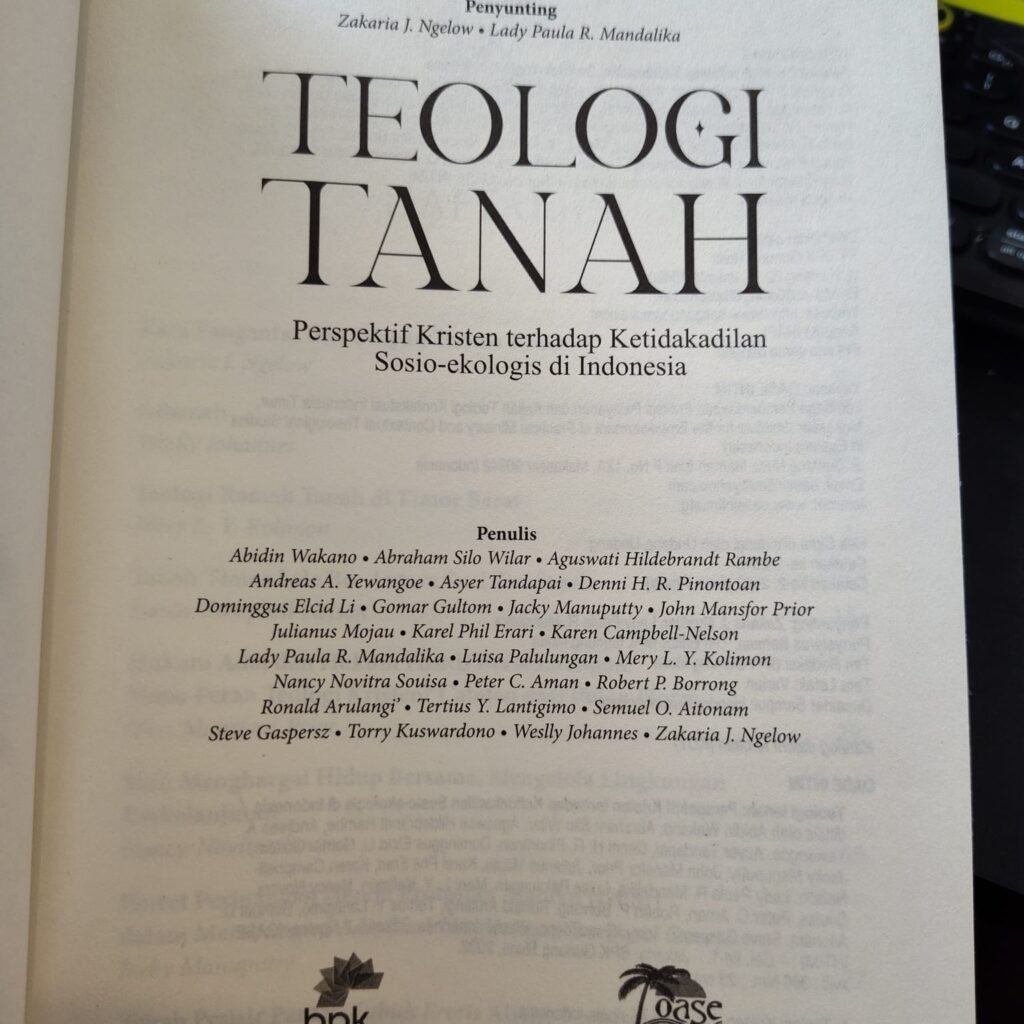
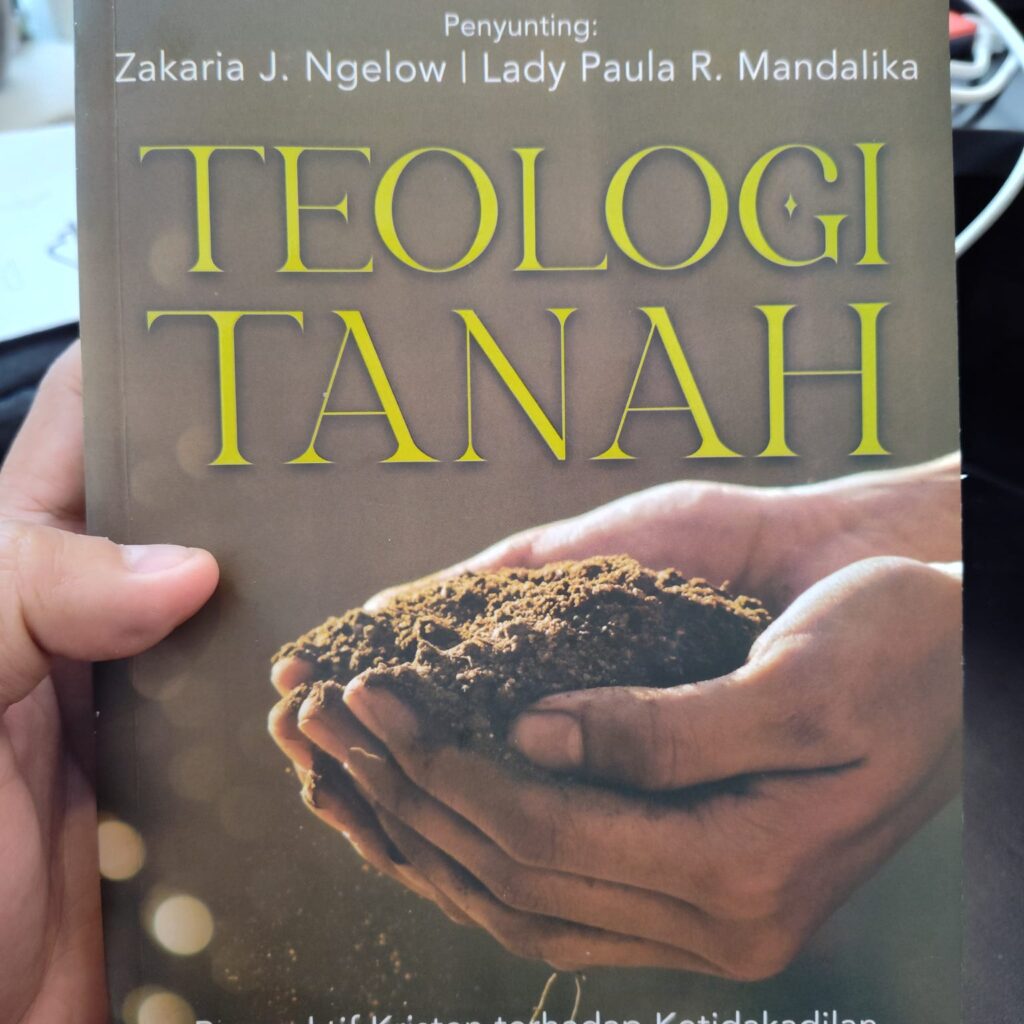
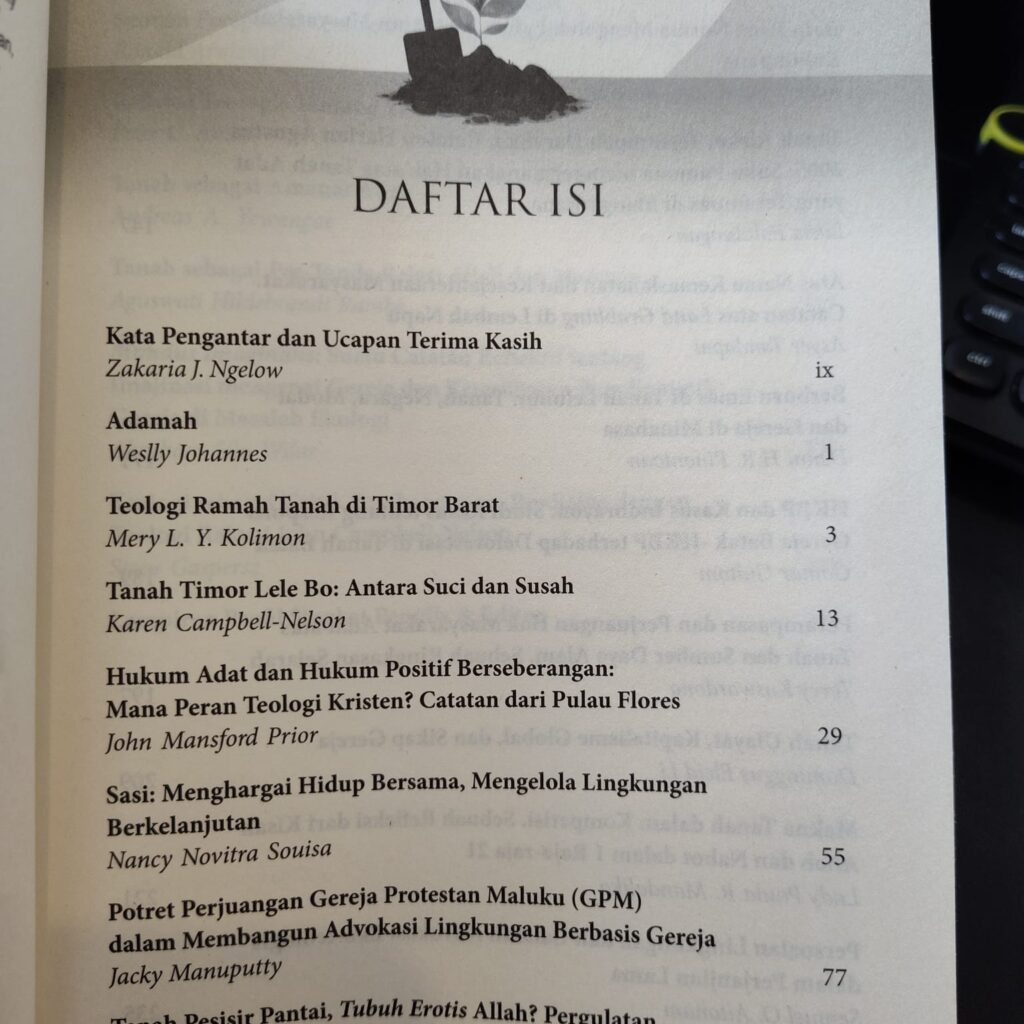
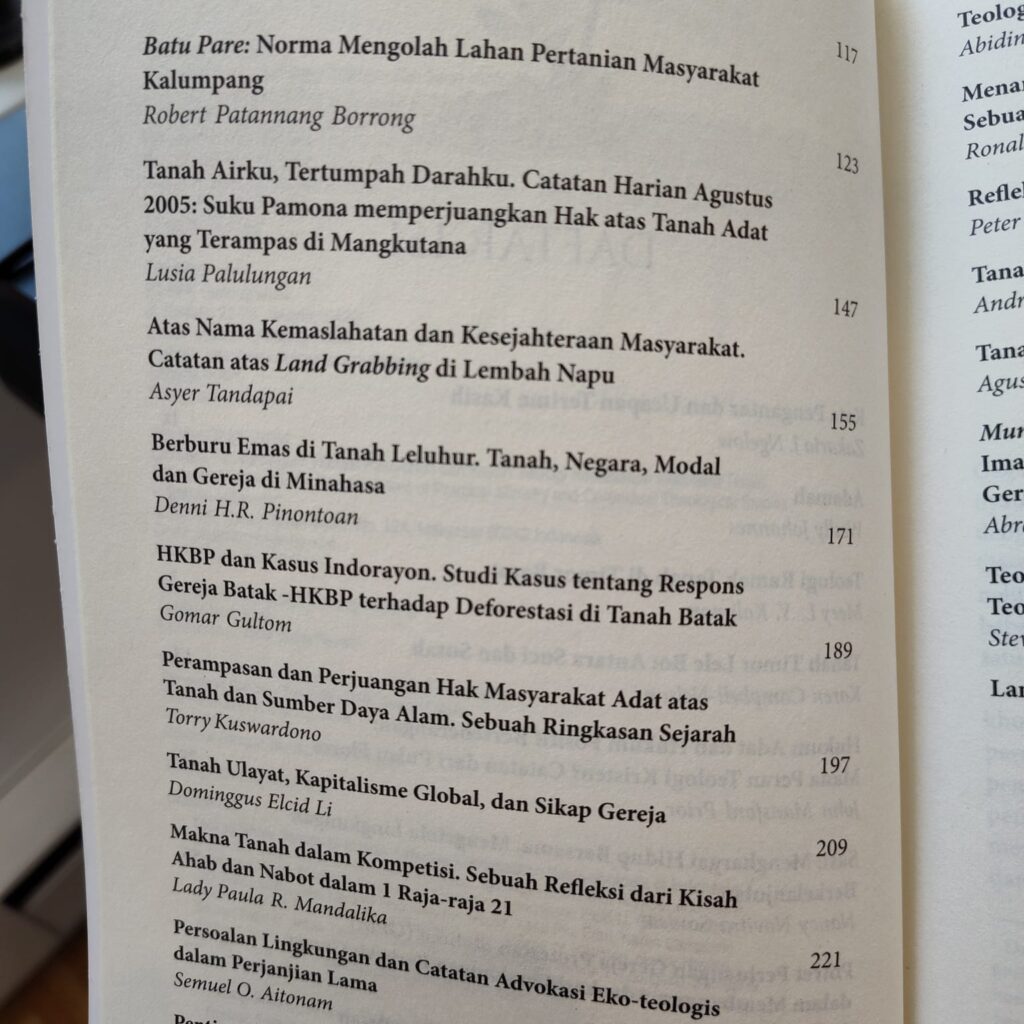
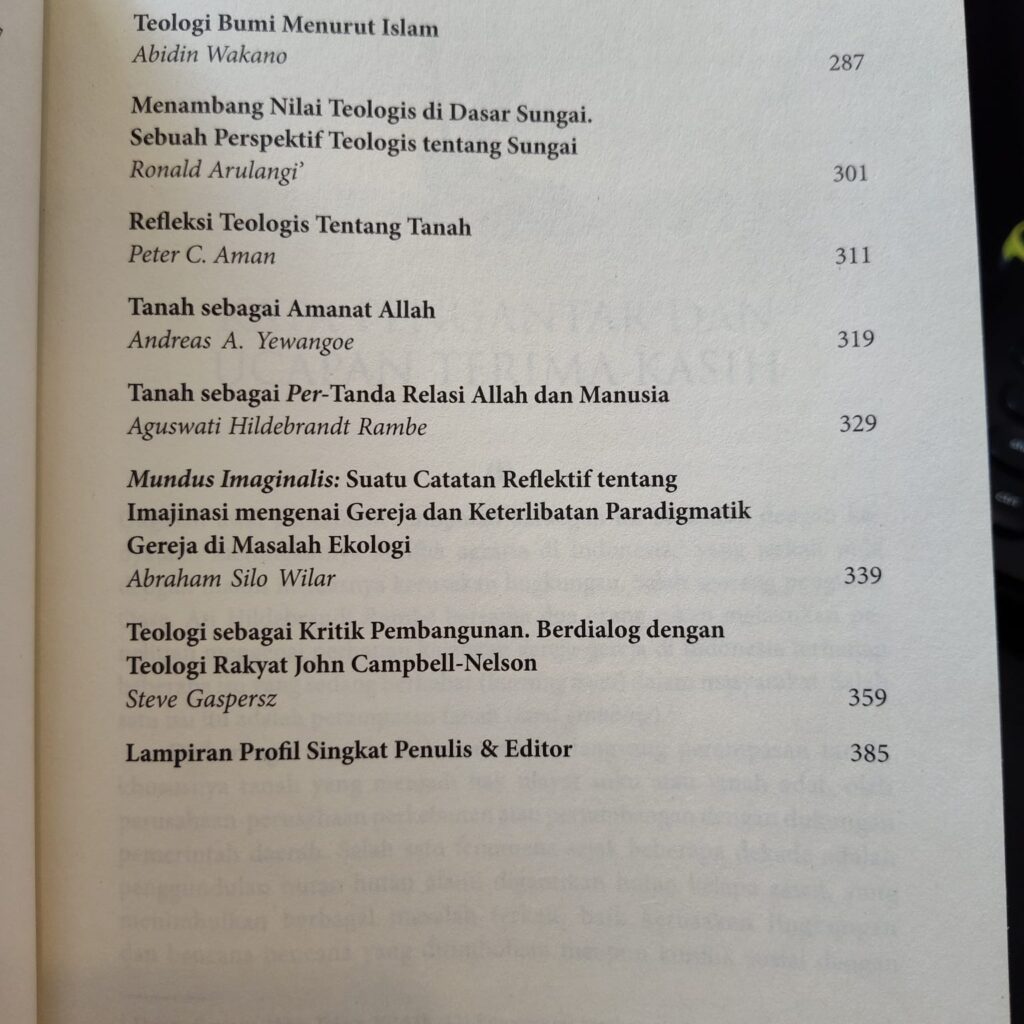
“Batu Pare: Norma Mengolah Lahan Pertanian Masyarakat Kalumpang” is the latest ecotheological piece from Robert P. Borrong. It was written for festschrift to Rev. Dr. John Campbell-Nelson, a United Church of Christ contextual theologian residing in Indonesia for the last 30 years, titled Teologi Tanah (Theology of Land), edited by contextual ecotheologian Zakaria J. Ngelow and Lady Paula R. Mandalika. In the beginning, Borrong clarifies that although he aims for a contextual theological reflection, this chapter could not fit into any of Stevan Bevans‘ “models” of contextual theology. For Borrong, his contextual theology should be regarded as teologia viatorum, that is, a contextual theology done by a pilgrim and defined by a journey without any compulsory categorization. In this particular piece, he reflects on the Kalumpang people’s ancestral oral tradition in regard to the myth of Batu Pare (the paddy rice stone), which has been the foundation of some “norms,” as its title suggests, of treating their agricultural environment.
The myth tells about the “first human” coming from the sky to the hill of Paken, named Turunlangi’ (coming from sky/heaven), who later met and fell in love with a girl named Buralino (the water foam). After asking permission from his father, the god of Tiboyong, Turunlangi’ was given a handful of paddy rice as the seeds that Turunlangi’ and his wife might use to fulfill their basic needs. They stored the paddy rice inside the slippery wet stone at the summit of the hill of Paken, named Batu Pare. This stone has been believed to be the source of all paddy seeds for generations. It is now called Indo’ Pare (the Rice Mother or the first rice), whose maternal imagery conducts people’s farming customary. Kalumpang people farm uniquely, that is, by always moving and looking for new places, but they relocate their farming location by the “hint” given by the stone. Whenever they want to determine the location, the tribal leader, Tobara‘, will look at the stone and indicate the cardinal point Kalumpang people must go to and open the farm. This custom is always done in a big ceremony. As a result, this will create at least 8 years of rotation, where the former farming area will regrow automatically. This is altogether agricultural, ancestral, as well as religious norm.
Although Batu Pare has been slowly forgotten, both because of the infiltration of Western worldview and the introduction of the more industrialized commodities, such as coffee beans, and more modern farming techniques, Borrong reminds his readers that theology has been too complicit in replacing people’s view of the environment and ecological relations. “Human need” becomes spiritualized, and people are virtually taught the land is just a means of commercial end. Some even sold their land to buy motorcycles or new phones. Borrong contends, “The Kalumpang community has been indoctrinated with false consciousness, losing their beautiful dreams of the past and replacing them with nightmarish desires for the false needs created by modernization” (p. 141). It is to this “spiritual crisis” that contextual theology is needed. Theology must remind people that, as Japanese Protestant theologian Masao Takenaka has argued in his God is Rice, rice is the “symbol of God’s give of life” (p. 142). It must also remind all Christians that Jesus Christ is the bread (rice) of life (Jn. 6:51) and wheat (paddy) (Jn. 12:24) whose sacrifice and death will bring about fruits (p. 143).
At the end of this article, Borrong recalls Michael Northcott’s critique of modern human behavior which has threatened the earth. For Northcott, as cited by William F. Storrar and Andrew R. Morton, policymakers must tackle the ecologically devastating issue by incorporating the Indigenous and other unheard voices into all possible productive dialogues. Borrong offers a similar suggestion, where West Sulawesi Church in Kalumpang makes such dialogue (or better “trialogue”), with the government and Indigenous community, to be the main agenda of their ecclesial practices. This is perhaps the best model of public theology that Christians in Kalumpang can offer amid the pressing environmental crises.
Photo(s)

Sources
- Robert P. Borrong. “Batu Pare: Norma Mengolah Lahan Pertanian Masyarakat Kalumpang.” In Teologi Tanah: Perspektif Kristen terhadap Ketidakadilan Sosio-ekologis di Indonesia. Festschrift to John Campbell-Nelson. Edited by Zakaria J. Ngelow & Lady Paula R. Mandalika. Jakarta: BPK Gunung Mulya, 2022.
- ———. “Theologia Viatorum: Upaya Memaknai Teologi Kontekstual sebagai proses Berteologi.” In Ziarah Beragam Rasa: Buku Kenangan 80 Tahun STT Jakarta. Edited by Jan S. Aritonang. Jakarta: UPI-STTJ, 2014.
- William F. Storrar & Andrew R. Morton, eds. Public Theology for 21st Century. Edinburgh: T&T Clark, 2004.